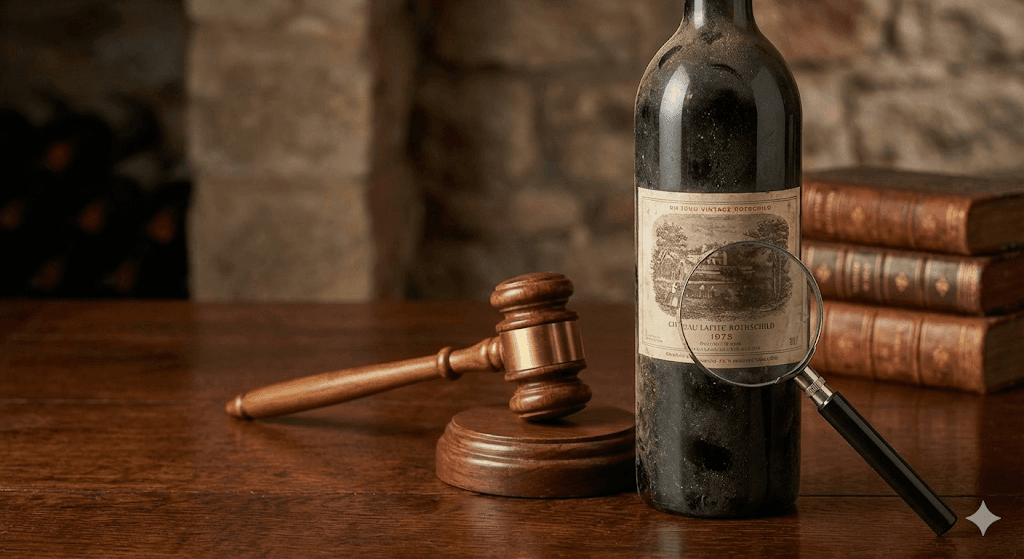
Invest in wine 2026Guide to liquid gold and value appreciation
The stock market is shaking and inflation is eating up savings. More and more people are now looking towards alternative investments. Watches, art – and wine. Investing in fine wines has historically yielded a stable return that often beats the index. But how do you start?
Wine differs from stocks on a crucial point: It is a consumable. Every time someone opens a bottle of Château Margaux 2015, the total supply in the world decreases. If demand is constant (or increasing) and supply decreases, the price goes up. It's simple economics.
"But buying a box of wine and putting it in the closet is not an investment – it's a lottery. Here is the guide for you who want to build a portfolio that can withstand storage."
1. The investment horizon: Patience is king
Wine is not day trading. There is no point in buying wine to sell it next year. A serious wine investment should have a horizon of at least 5–10 years. During that time the wine has time to mature, critics have time to praise it, and the amount of available bottles on the market has time to drop.
2. What should you buy?
For a wine to increase in value, three things are required: Brand, Vintage and Aging potential.
Bordeaux
The security
The wine world's "Blue-chip stocks". Castles like Latour, Lafite and Mouton Rothschild are global hard currency. Rarely dips.
Burgundy
The rocket
Minimal production, enormous demand. Prices have exploded. High risk, but chance of extreme return.
Champagne
The upstart
Vintage champagne is drunk faster than red wine, creating scarcity. Look at houses like Dom Pérignon and Krug.
Italy
Stable
Super Tuscans (e.g. Sassicaia) and top wines from Piedmont are stable investments, often more affordable to buy.
3. Provenance – History
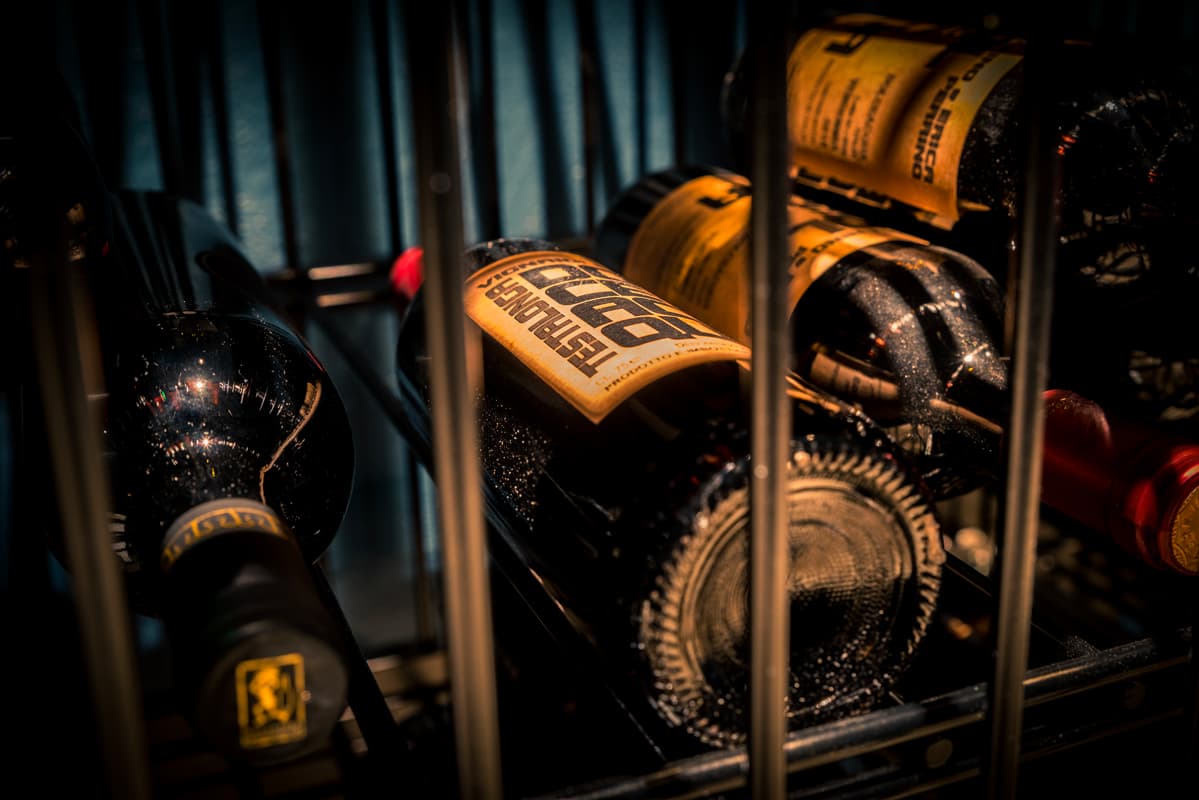
If you are going to sell your wine in the future, the buyer will ask: "Where has this wine been?". A bottle that has a receipt and can be proven to have been in a professional wine cellar is worth significantly more than a bottle that "was found in the attic".
Tip: Always save the original wooden cases (OWC) – it raises the resale value.
4. Storage is your insurance
This is the most important point. You can buy the most expensive wine in the world, but if you store it incorrectly, it becomes worthless. A buyer of investment wine pays for the quality in the bottle.
Temperature
Must be stable (12-14 degrees).
Humidity
Must be controlled so the cork stays tight.
Security
Risk of theft and fire must be minimized.
"At Vinvalvet we offer exactly the environment required to maintain (and prove) the wine's value. When you store with us, it is a seal of quality for future buyers."
5. The exit strategy: How do you get the money out?
In Sweden, Systembolaget has a monopoly on retail, but you may sell wine via Systembolaget's Beverage Auctions (run by Bukowskis). It is a safe and regulated market.
Alternatively, you can drink the profit. Many collectors buy two boxes: one to sell in 10 years, and one to drink "for free" when the profit from the first box has covered the cost.