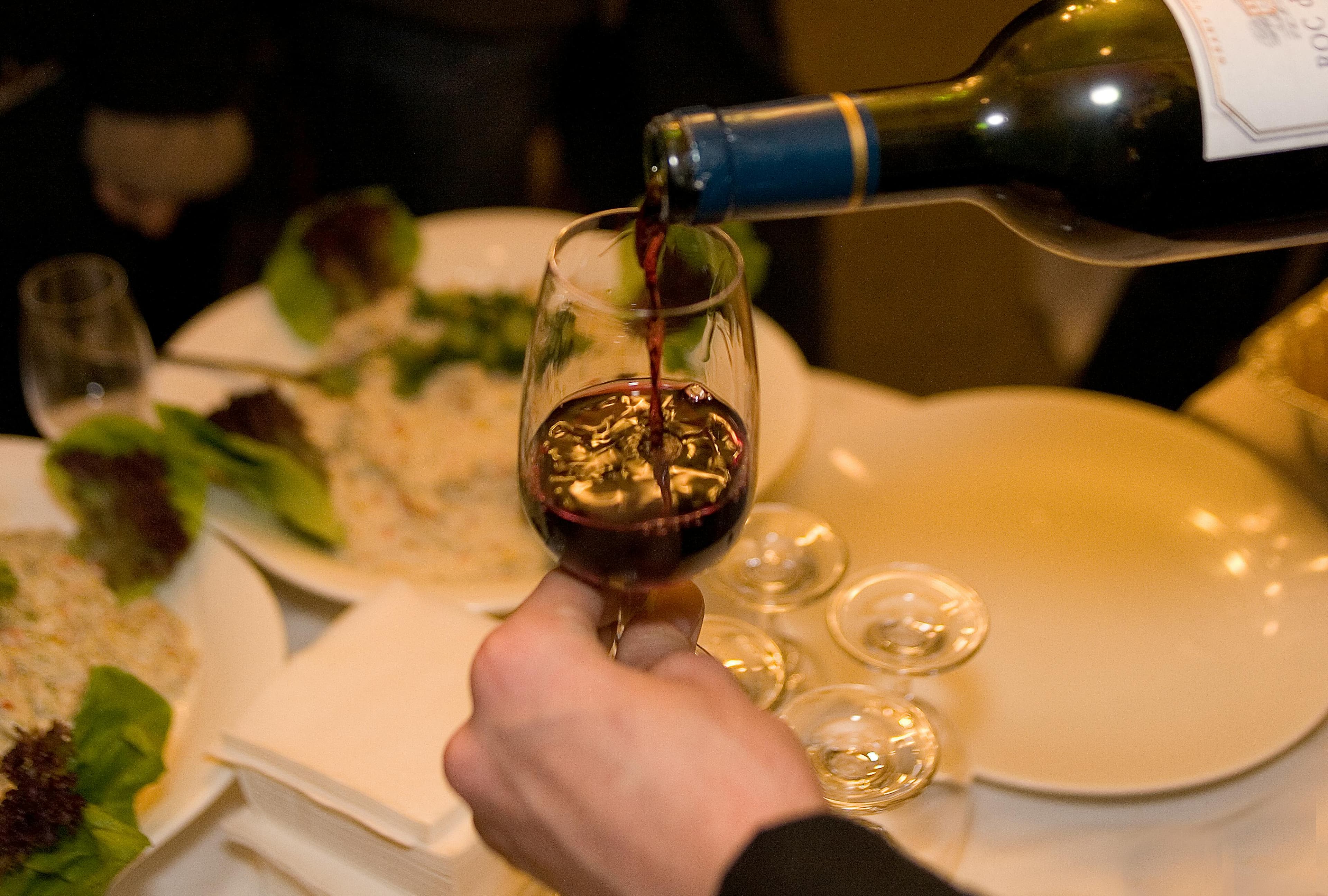
Aerate or decant wine?How to maximize the flavor in the glass
You have probably experienced it. You open a fine bottle of red wine for Saturday dinner, pour a glass and... it tastes a bit "mute". Maybe it doesn't smell much, or the astringency feels almost aggressive in the mouth. Is the wine bad? Probably not. It just needs to breathe.
Giving the wine air is the absolutely easiest (and cheapest!) way to make a $15 wine taste like $25. But there are many misconceptions about which wines should go into the decanter and why.
Here we straighten out the question marks around aeration and decanting – two concepts that are often confused.
The difference between "Aerating" and "Decanting"
The words are often used carelessly as synonyms, but technically they are two different processes with two completely different purposes.
Aerate (For young wines)
The goal is to expose the wine to oxygen. The oxygen reacts chemically with the wine, rounds off harsh tannins and "opens up" the aromas. It is usually said that the wine wakes up.
Decant (For old wines)
The goal is to separate the wine from the sediment that has formed during storage. Here you usually want to be careful with the oxygen so as not to "kill" the fragile wine.
Myth: "Only fine old wines should be poured into a decanter"
This is perhaps the most common misconception. The truth is often the opposite.
Young wines = Love oxygen
A young, full-bodied red wine (think Cabernet Sauvignon, Syrah or a young Barolo) almost always does best with a good dose of oxygen. Because the wine is young and "rowdy", the air helps to smooth the edges and make it softer to drink.
Old wines = Sensitive to oxygen
An old, aged wine (e.g. a Bordeaux from 1990) is on the other hand fragile. The aromas are volatile and can disappear if the wine gets too much air. An old bottle can actually "die" if it stands too long in the decanter.
Does it work to just pull the cork?
No.
Opening the bottle and leaving it on the kitchen counter for an hour does absolutely nothing. The surface in the bottleneck that touches the air is the size of a coin – it's not enough to affect 75 cl of wine. The wine must be poured (either into a decanter or directly into large glasses) for anything to happen.
Should you aerate white wines?
Absolutely!
Many white wines are served far too cold straight from the fridge, which kills the flavor. A high-quality, full-bodied Chardonnay (Burgundy) or an austere Riesling gains a lot from 30 minutes in a decanter. The wine becomes a little warmer (towards optimal 10–12 degrees) and the aromas blossom.
What about Champagne?
Even Champagne can be decanted, although it is controversial. You lose some bubbles, but gain a huge flavor explosion. Try it next time you have a slightly more robust bubbly!
Summary: Dare to experiment
Don't have a fine crystal decanter at home? It doesn't matter. A clean glass water pitcher works just as well. It's the air the wine wants, not the crystal.
Do you want to learn more about the chemistry of wine?
At our wine tastings we go deep. We often test the same wine aerated vs unaerated to show the difference. As a member of Vinvalvet, you also get access to the city's best storage environment.