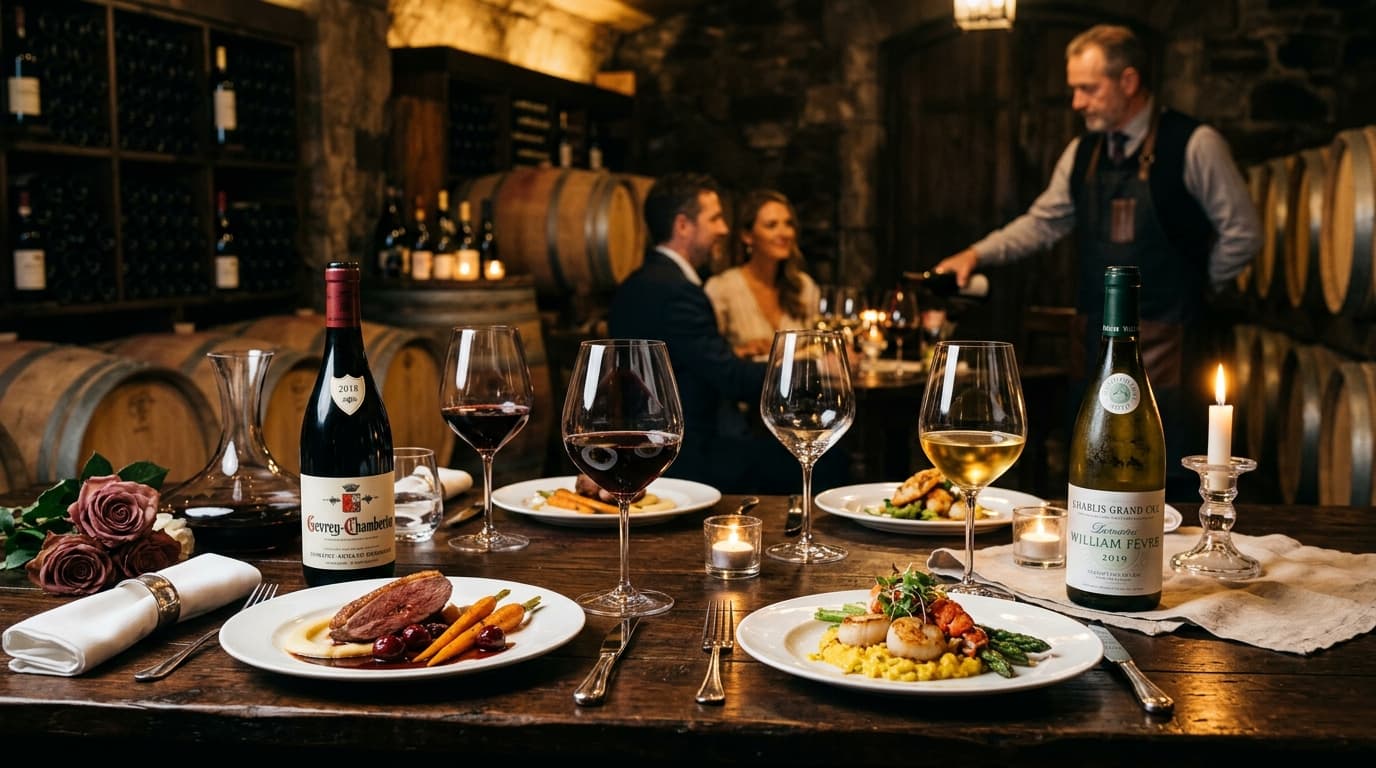
The ultimate guide to food and wineHow to combine flavors like a sommelier
Combining food and wine can feel like a whole science, but it's really about understanding a few basic flavor rules. The right wine can elevate a simple everyday dish to the skies, while the wrong wine can make an exclusive ingredient taste bitter or metallic.
Here we go through the golden basic rules for food and wine matching, and give you concrete tips on the wines that best suit the most popular dishes.
"The flavors in the food affect how the wine is perceived in the mouth. Once you learn the basic mechanics, you'll never have to guess at the liquor store again."
The four golden rules
Before we dive into specific dishes, it's good to have a grasp of the basic mechanics. The flavors in the food affect how the wine is perceived in the mouth.
Acidity meets acidity
Food with high acidity (for example, dishes with lemon, vinegar or tomato) makes the wine feel less acidic, sweeter and fruitier.
Fat and protein love tannins
Tannins are the astringent feeling you get from some red wines. The tannins bind to proteins and fats in the food.
Sweetness requires sweetness
Sweet food makes the wine feel drier, more bitter and more acidic in taste.
Heat and chili need residual sweetness
Strong and spicy food enhances the alcohol burn and bitterness of a wine.
The right wine for the right food – Our best recommendations
Here we have collected the absolute most common food and wine combinations. Use this as your cheat sheet next time you're at the liquor store!
Which wine goes with beef fillet?
Beef fillet is an elegant, tender meat that is often served with fatty and flavorful accompaniments such as red wine sauce, potato gratin or béarnaise sauce.
Red wine:
Here the classic, astringent wines shine. A strict Bordeaux, a powerful Cabernet Sauvignon or a flavorful Syrah/Shiraz are perfect choices. The tannins in the wine soften in the meeting with the fat in the food.
Which wine goes best with seafood and shrimp?
For fresh seafood, we want wines that act like that mandatory squeezed lemon wedge – fresh, crisp and acidic!
White wine:
Avoid oak-aged wines. Instead, opt for a crisp Chablis (Chardonnay), a fresh Albariño from Spain or a Sauvignon Blanc.
Bubbly:
Champagne or a dry Crémant is always a winning concept for langoustines and shrimp.
What do you drink with a charcuterie board and cheese?
One of the most common mistakes is to bring out the heaviest red wine for the charcuterie board. The salty charcuterie and flavorful cheeses instead require wines with high acidity and low tannins.
Red wine:
A light and berry-forward Pinot Noir or a fruity Beaujolais (Gamay) is fantastic with cold cuts.
White wine:
Many cheeses actually pair much better with white wine! A Riesling (preferably with a little residual sweetness) or a fresh Chenin Blanc are brilliant alternatives.
Which wine goes with salmon?
Salmon is a fatty fish, which means it can handle wines with a little more body and structure than lean white fish does.
White wine:
Here the oak-aged Chardonnay is king. The buttery and nutty notes from the oak barrel reflect the richness of the salmon perfectly.
Red or rosé:
If you want to drink red, choose an extremely light and chilled red wine like Pinot Noir. A dry, flavorful rosé also works perfectly.
Which wine should I choose for mushroom risotto?
A creamy mushroom risotto is dominated by deep, earthy and umami-rich flavors, combined with fat from butter and parmesan.
Red wine:
The holy grail for mushrooms is the grape Nebbiolo (preferably from Barolo or Barbaresco) which in itself often has aromatic notes of forest floor and truffle. An elegant Pinot Noir from Burgundy is also a magical pairing.